This post may contain affiliate links. If you buy through one, we may earn a commission at no extra cost to you. See our Affiliate Disclosure for details.
Take eleven. The furnace kicks on halfway through the second sentence, and the take is gone. Take twelve is clean until a car door slams outside. Take thirteen is fine, technically, except that by now the voice reading the script sounds like someone reading a script — flat in the places that mattered when it was written. Ninety seconds of finished narration has eaten an hour and twenty minutes, and the video it belongs to is three minutes long.
Synthetic narration has two forms, and picking the wrong one wastes the money. Stock text-to-speech gives you a generic professional voice instantly and suits tutorials, explainers and product walkthroughs where nobody expects a personality. Voice cloning reproduces your own voice from a sample and only makes sense when the audience already knows how you sound. Either way, the quality ceiling is set by the script, not the engine — written-for-the-eye prose is the single most common reason an expensive voice still sounds robotic. Before you commit, check two things on the vendor’s own page: whether commercial use is granted on the tier you plan to pay for, and whether cloning requires documented consent for the voice you’re cloning.
Two ways to get a voice you never recorded
They get lumped together constantly, and they solve different problems.
Stock text-to-speech hands you a library of pre-built voices. You paste text, choose an accent and a delivery style, and get audio back in seconds. Nobody in your audience has heard this voice before, and nobody will assume it's yours. That anonymity is a feature for a screen recording explaining how a form works, and a liability for anything where the point is that you are talking.
Voice cloning builds a model from a recording of a specific voice — usually yours — and then reads new text in it. The pitch is obvious: record once, narrate forever. The catch is less obvious. A clone inherits the source recording's quality, so a sample captured on laptop speakers produces a convincingly mediocre version of you at scale. And the consent requirements are real, not decorative, which is covered further down.
There's a third option people forget: keep recording your own voice, badly, and let cleanup software fix the room. If your objection to recording is noise and mouth clicks rather than the act of speaking, the AI editing pass on a solo show may be the cheaper answer than replacing your voice entirely.
Why the script decides more than the engine does
Here's the thing that catches almost everyone on their first attempt. You feed the tool a paragraph from your blog post, the output comes back, and it sounds wrong — not glitchy, just off. The instinct is to blame the voice and go shopping for a better one.
The paragraph is the problem. Written English and spoken English are different languages wearing the same alphabet.
Subordinate clauses that scan fine on a page, the kind with a couple of commas doing structural work in the middle, collapse when read aloud because the listener has no way to see where the sentence is going. Numbers written as digits get pronounced inconsistently. Acronyms are a coin flip. Em dashes — which a reader treats as a beat — are interpreted by some engines as nothing at all.
Four rewrites fix most of it:
- Cut sentence length roughly in half. If a sentence needs two commas to survive, it needs to be two sentences.
- Spell numbers the way you'd say them. "Twenty twenty six," not "2026." "Fifteen hundred dollars," not "$1,500."
- Write acronyms as you want them heard — "S E O" with spaces if you say the letters, "seo" if you don't.
- Replace every em dash with a period or a comma, depending on how long the pause should be. Punctuation is the only timing control most engines expose.
Run those four passes before you test a single voice. Otherwise you'll audition six engines on a script that would defeat a professional narrator.
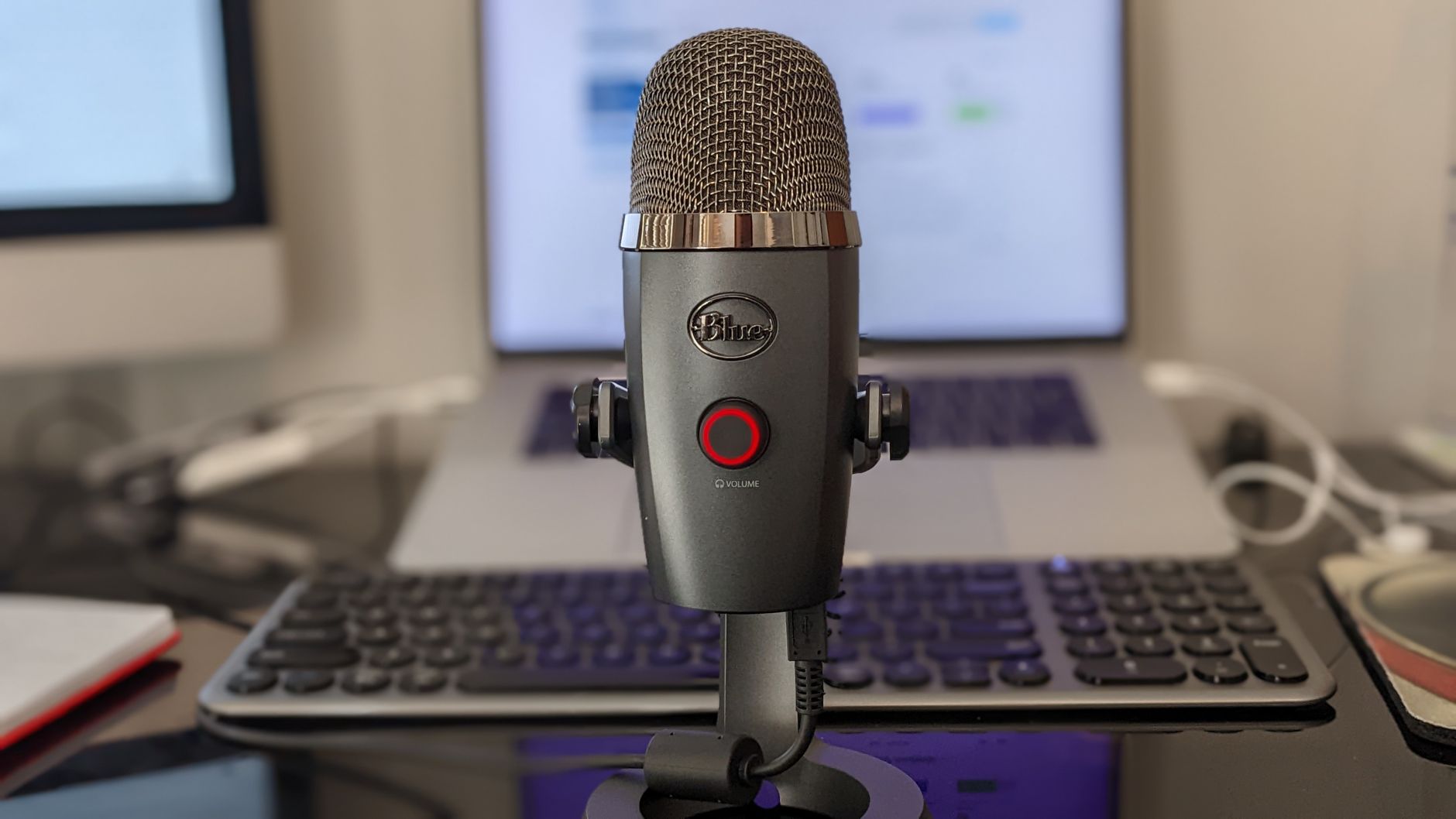
The mic you're trying to avoid still sets the ceiling if you plan to clone your own voice. Photo by Robert Carnes via Pexels.
The pass from script to finished audio, in order
The workflow is short once it's built. Getting the order right matters more than the tooling.
One: finalize the script before you generate anything. Every regeneration costs credits, and late edits mean re-rendering whole sections to keep the voice consistent.
Two: generate a thirty-second sample, not the whole thing. Take the hardest paragraph — the one with a product name, a number and a list in it — and render that first across two or three candidate voices. The failure modes show up there, not in the smooth opening line.
Three: fix pronunciation at the source. Most engines let you correct a word either through a phonetic spelling in the text or a pronunciation dictionary that persists across projects. Brand names and surnames are where this earns its keep. Spelling a name out phonetically in the script is ugly and invisible to the audience.
Four: render in sections that match your video's structure. One file per scene, not one file for the whole script. When you re-cut a scene six weeks later — and you will, especially if you're repurposing the footage into shorter clips — you regenerate thirty seconds instead of nine minutes.
Five: listen once at normal speed, all the way through, before it ships. Not while doing something else. The errors synthetic voices make are not the errors human readers make, and they slip past skimming.
Where synthetic narration still gives itself away
It isn't the timbre anymore. The voices themselves cleared the uncanny threshold a while back, and a stranger hearing thirty seconds of stock narration over a screen recording will usually not think twice.
What gives it away is emphasis.
A human reading "we don't charge for the first month" leans on don't, because the sentence exists to correct an assumption. An engine reading the same words distributes stress evenly and produces something that is technically correct and subtly meaningless. Emphasis follows intent, and the model doesn't have your intent — it has your punctuation.
The other tell is the long tail. One paragraph sounds fine. Eight minutes of the same voice with the same breathing pattern and the same cadence starts to feel like an airport announcement, because real speakers vary their pace as they get interested or tired, and the model doesn't get tired. Some tools expose stability or style controls that reintroduce variation; use them, in small amounts, and check the result rather than trusting the slider label.
Both tells shrink when you write shorter segments and break narration up with on-screen demonstration, music, or silence. A voice that stops talking periodically sounds more human than one that never does.
Licensing and disclosure: check these two before you publish
Two things are easy to get wrong quietly, and both are worth five minutes.
Commercial use rights are tier-dependent. Free and entry tiers on several platforms permit personal or evaluation use only, with commercial rights attaching at a paid level — sometimes with an attribution requirement attached. This is not a detail you want to discover after publishing forty videos. The terms live next to the plan grid on each vendor's own pricing page, which is the only source worth trusting on the day you buy.
Cloning a voice requires the right to that voice. Your own, with your own recording, is straightforward. Anyone else's — a co-host, a client, a public figure — is not, and the major platforms require documented consent from the speaker for exactly this reason. Separately, platform disclosure rules are aimed at realistic synthetic depictions of real people and events; YouTube's help center documents when altered or synthetic content must be disclosed. A generic stock narrator reading your own script is a different thing from a clone of an identifiable person, and the second one is where the rules bite.
Neither of these is an argument against the technology. They're an argument for reading the terms page once, at the start, while switching still costs you nothing.
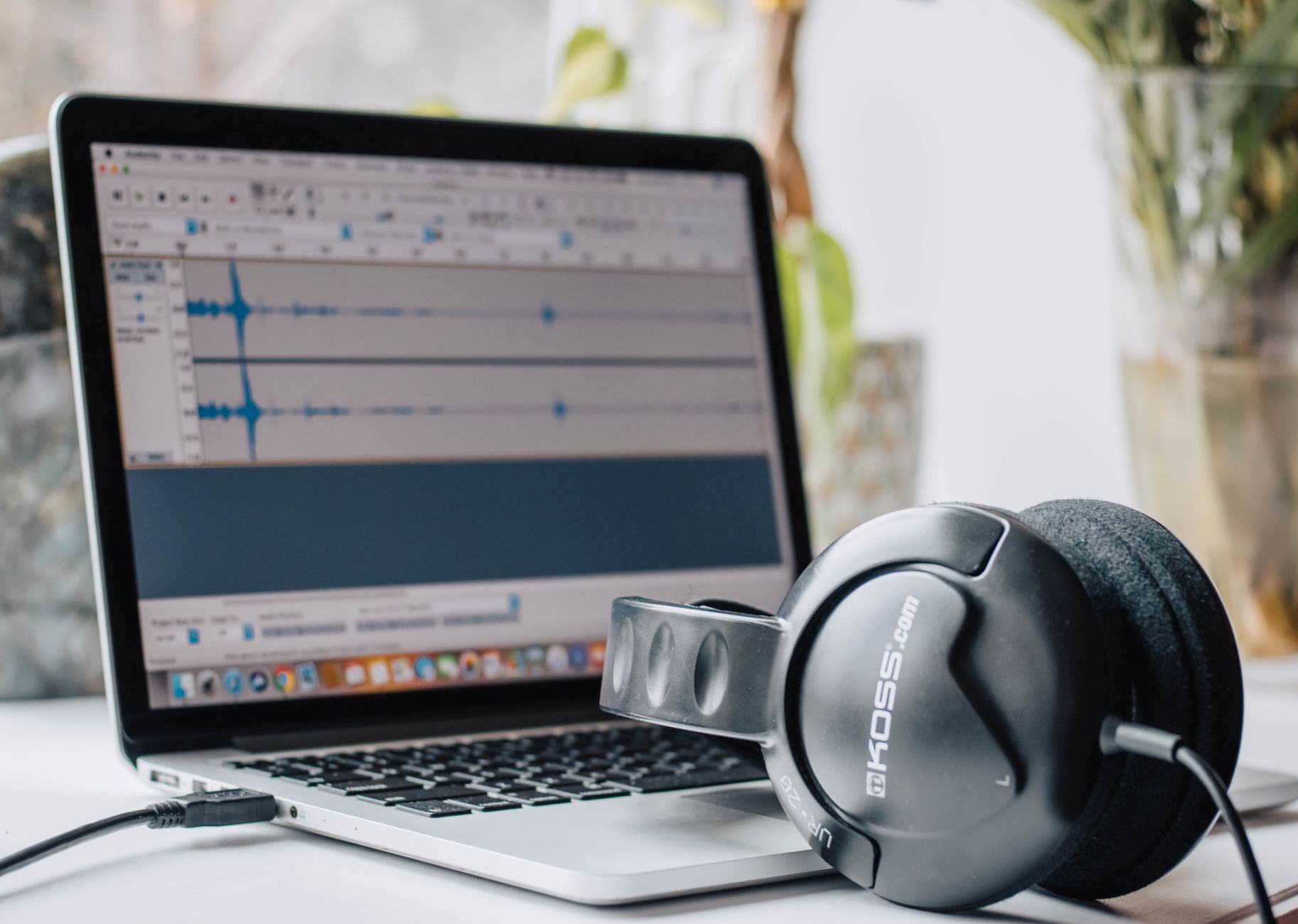
Rendering per scene instead of per script is the difference between a thirty-second fix and a full re-render. Photo by Layla Yehia via Pexels.
About the prices, which this post does not print
As of September 2026 this article quotes no figures, deliberately. Voice platforms price in credits or characters rather than minutes, restructure their tiers frequently, and move features between plans often enough that any number written here would mislead someone reading it in four months.
Go to the source: ElevenLabs, Murf and Descript all publish current plans openly. On whichever page you land, look past the headline price for four things that determine real cost: how credits or characters convert to finished minutes for your script length, whether unused allowance rolls over or expires monthly, which tier commercial licensing starts at, and whether voice cloning is included or gated above where you were planning to stop. A plan that looks cheap per month can be expensive per finished video if regenerations burn the same allowance as first renders — and with a script you're still tuning, regenerations are most of your usage.
Tonight: run two hundred words through two free tiers
Pick the last script you wrote, or a section of a blog post you've published. Trim it to about two hundred words, apply the four script fixes above — shorter sentences, spoken numbers, spaced acronyms, no em dashes — and paste the same cleaned text into the free tier of two different platforms.
Then listen to both with your eyes closed.
Fifteen minutes, no card, no commitment, and it settles the question that actually blocks people: not whether the technology works, but whether you can stand listening to the result attached to your own name. Some people play it back and immediately start planning a video backlog. Others hear it and realize they'd rather keep their own voice and fix the room instead — which is a legitimate answer, and much cheaper to reach tonight than after a year's subscription. If the verdict is yes, the next bottleneck won't be narration at all; it'll be getting spoken ideas into a workable script in the first place.

저는 한국에서 직원 없이 혼자서 두 개의 소규모 사업체를 운영하고 있습니다. 견적, 회계, 마케팅, 웹사이트 관리까지 모두 제가 직접 하고 있습니다. 개발자는 아니지만, 이 사이트의 자동화 시스템은 AI 코딩 도우미를 활용하여 밤늦게까지 오랜 시간 공들여 구축했고, 모든 콘텐츠 관리 및 게시도 제가 직접 담당하고 있습니다.